For many people in South Sudan, the greatest obstacle to justice is not necessarily the absence of laws, but the inability to access the legal assistance needed to understand and enforce those laws.
Financial hardship, limited legal awareness, lack of access to professional legal services and difficulties navigating justice institutions can leave vulnerable people without effective remedies.
In response to these challenges, the Initiative for Legal Aid (ILA) is strengthening its Legal Aid, Pro-Bono Consultations and Representation & Access to Justice Programme, aimed at bringing professional legal assistance closer to individuals and communities that face barriers to justice.
The programme is being championed by Advocate Emmanuel Sumagule Benaih Swaka, Advocate and Practising Legal Counsel, whose legal practice and public-interest work are focused on strengthening access to justice and ensuring that vulnerable persons are not excluded from the justice system because of their economic or social circumstances.
Justice should not depend on the ability to pay
Speaking about the programme, Advocate Emmanuel Sumagule Benaih Swaka said access to justice must be treated as a fundamental public-interest concern.
“Justice should not depend on the ability of an individual to pay for a lawyer. There are many people who have genuine legal grievances, are facing criminal charges, are involved in disputes or have suffered violations of their rights, but simply cannot afford professional legal representation. Our responsibility is to help bridge that gap.”
He said ILA's approach is designed to combine legal advice, pro-bono consultations, legal representation, referrals, legal awareness and community engagement.
“We are not simply interested in taking cases to court. We want people to understand their rights, understand their legal options and receive appropriate professional guidance from the beginning of their legal problem. Early legal intervention can prevent disputes from escalating and can help people pursue lawful and peaceful remedies.”
Legal aid beyond the courtroom
The ILA programme recognizes that legal aid extends beyond courtroom representation.
Individuals may require legal assistance at different stages of a dispute or justice process, including understanding a legal document, receiving legal advice, preparing a complaint or response, engaging in negotiations, pursuing alternative dispute resolution, dealing with detention or criminal proceedings, or obtaining representation before a competent authority or court.
Through its programme, ILA seeks to provide or facilitate appropriate assistance depending on the nature of each matter and the available resources.
This approach reflects the broader understanding of legal aid in South Sudan, where free legal services are intended to assist poor and marginalized people who cannot afford paid legal representation.
Pro-bono consultations and representation
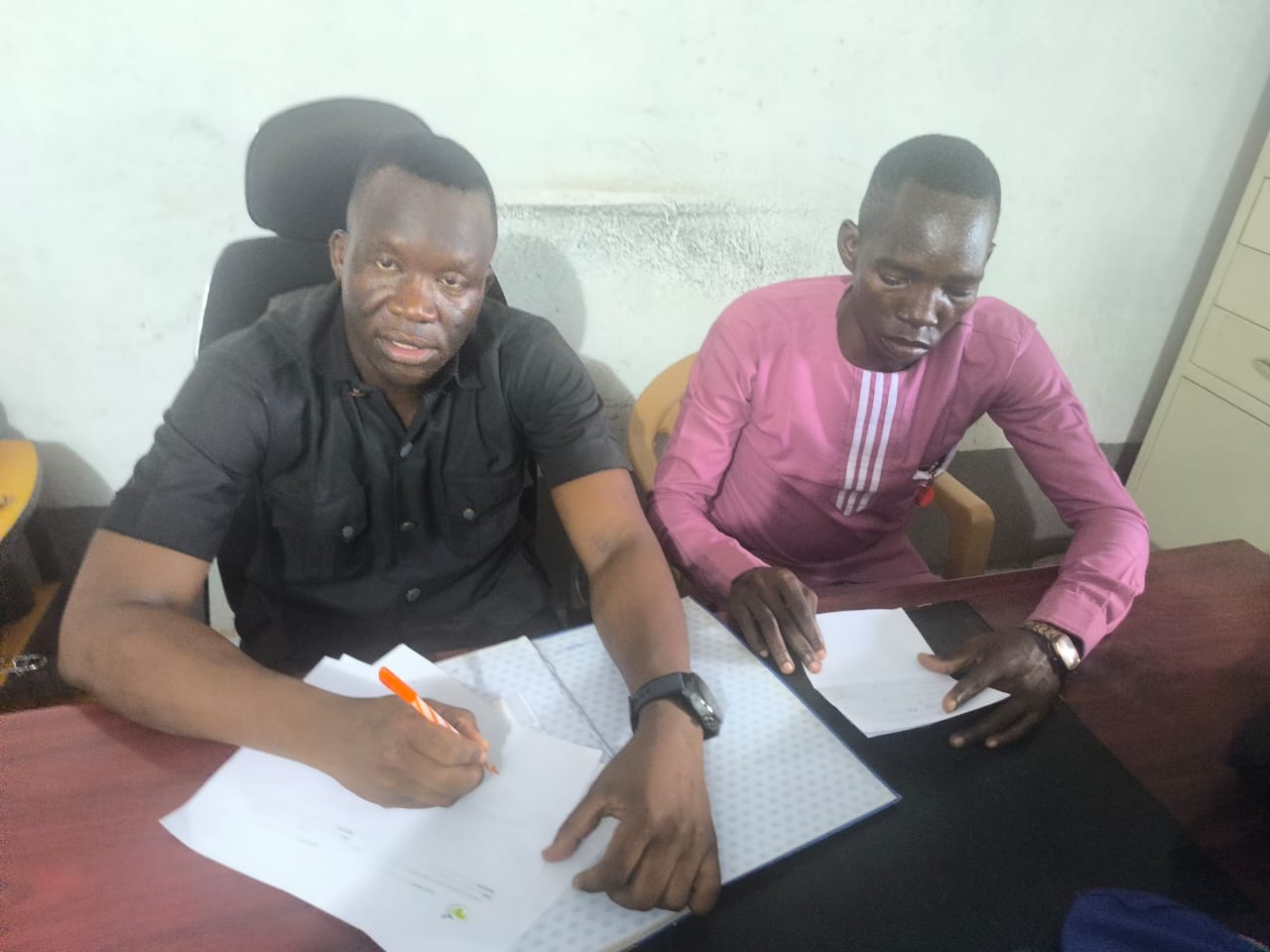
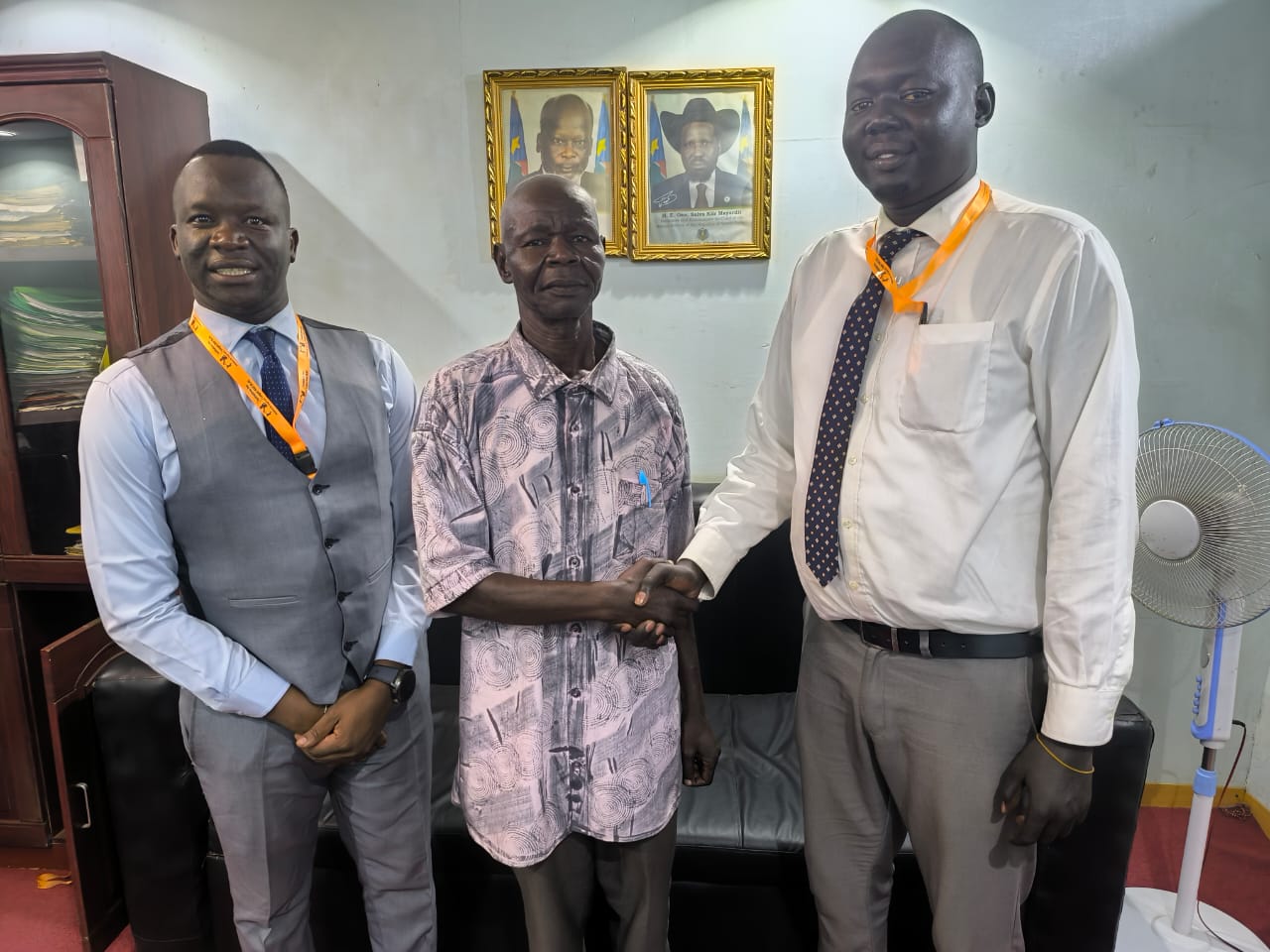
A key component of the programme is the provision of pro-bono legal consultations and, where appropriate, representation for eligible individuals who would otherwise struggle to obtain professional legal assistance.
The programme seeks to give vulnerable persons an opportunity to speak with a legal professional, understand the legal issues affecting them and receive guidance on the appropriate course of action.
Where representation is appropriate and resources permit, ILA seeks to support clients through the relevant legal process.
“A person who comes to us should leave with a clearer understanding of their legal position, their rights, their responsibilities and the available options. Even where we cannot directly take up a matter, we should be able to provide appropriate guidance or referral.”
Putting access to justice at the centre
The programme places particular emphasis on people who experience significant barriers to justice, including economically disadvantaged individuals and vulnerable members of society.
ILA also recognizes the importance of legal awareness as a preventive tool.
People who understand the law are better positioned to protect themselves from exploitation, recognize violations, resolve disputes through lawful mechanisms and seek assistance before a problem becomes more serious.
This community-oriented approach is consistent with previous access-to-justice initiatives in South Sudan that have combined legal aid, public legal education, paralegal support and community outreach.
Advocate Emmanuel Sumagule Benaih Swaka

As an Advocate and Practising Legal Counsel, Advocate Emmanuel Sumagule Benaih Swaka brings professional legal experience to ILA's access-to-justice work.
His involvement in the programme reflects ILA's commitment to ensuring that community legal empowerment is supported by professional legal knowledge and practical assistance.
“Our legal profession carries a responsibility beyond individual cases. We must also ask ourselves how we can use our knowledge and professional skills to make justice more accessible to people who are often unable to speak for themselves.”
He added that the programme will seek to encourage a culture of lawful dispute resolution and greater confidence in legitimate justice mechanisms.
Building partnerships for sustainable justice
ILA recognizes that expanding access to justice requires collaboration among legal professionals, justice institutions, civil society organizations, community leaders, development partners and communities themselves.
The organization therefore seeks to build partnerships that can strengthen legal referrals, community outreach, legal education, professional support and access to appropriate justice mechanisms.
Such collaboration is particularly important in a context where civil society organizations and legal aid providers continue to play an important role in expanding access to justice for vulnerable populations.
A commitment to breaking barriers
For ILA, the programme represents more than the provision of individual legal services.
It is part of a broader commitment to building a society in which people understand their rights, can seek professional assistance and are able to pursue justice without being excluded because of poverty or lack of legal knowledge.
“Our message is simple: if you have a legal problem, you should know where to seek help. If you cannot afford legal assistance, there should be pathways through which you can obtain guidance, support or referral. We want to help build those pathways.”
Through its Legal Aid, Pro-Bono Consultations and Representation & Access to Justice Programme, Initiative for Legal Aid is working to transform its motto — “Breaking Barriers. Building Justice.” — into practical action.
The ultimate objective is to ensure that access to justice becomes more than a principle written in law, but a reality experienced by ordinary people.
About Initiative for Legal Aid (ILA)
Initiative for Legal Aid (ILA) is a South Sudanese civil society organization committed to promoting access to justice, legal empowerment, human rights, community protection, good governance and the rule of law.
Under its motto “Breaking Barriers. Building Justice,” ILA seeks to support individuals and communities facing barriers to justice through legal aid, pro-bono consultations, legal representation, legal awareness, community outreach, advocacy, referrals, capacity building and strategic partnerships.
ILA believes that every person should have a meaningful opportunity to understand their rights, obtain appropriate legal assistance and seek lawful remedies when their rights or interests are threatened.
Through its programmes, ILA works toward a South Sudan where justice is accessible, legal rights are understood and respected, vulnerable communities are empowered, and no person is denied an opportunity to seek justice simply because they cannot afford legal services.